

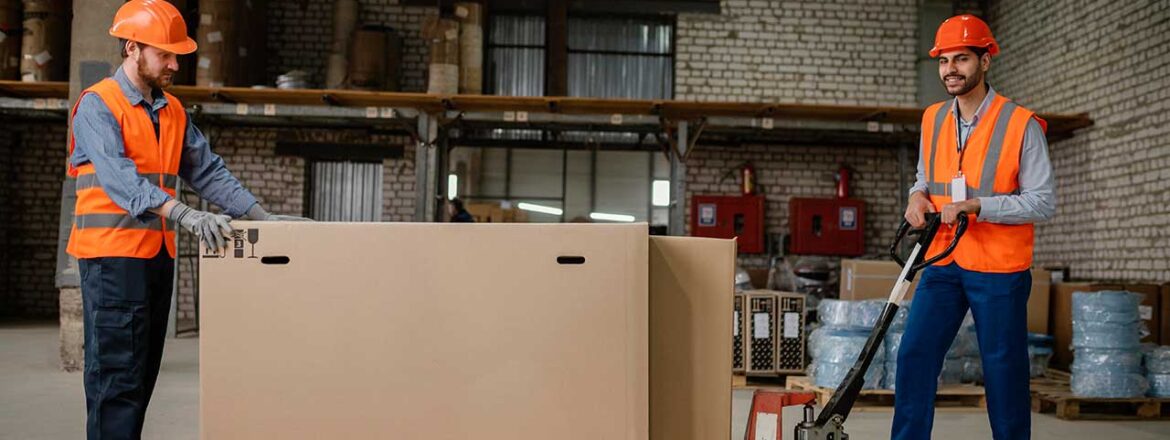
When businesses think about packaging industrial equipment for transportation or storage, they often focus on physical protection. Wooden crates, pallets, and cushioning materials are important, but they don’t always address one of the biggest threats to valuable machinery: moisture.
Humidity, condensation, and environmental exposure can silently damage equipment long before it reaches its destination. Rust, corrosion, mold, and deterioration of sensitive components can occur even when machinery appears well-protected from the outside.
This is where vacuum packing becomes an essential solution.
For companies involved in manufacturing, oil and gas, marine operations, engineering, and international exports, vacuum packing provides an additional layer of protection that standard packaging methods cannot offer. In Abu Dhabi and across the UAE, where industrial equipment is frequently transported and exported to different regions of the world, vacuum packing has become an important part of modern industrial packaging.
What Is Vacuum Packing?
Vacuum packing is a specialized packaging process that removes air from around equipment or products before sealing them in a protective barrier material.
The process typically involves:
- Wrapping equipment in a moisture-resistant barrier film
- Removing air from inside the packaging
- Creating a tightly sealed protective environment
- Adding desiccants and corrosion inhibitors when required
By removing air and limiting moisture exposure, vacuum packing helps protect equipment from environmental damage during storage and transportation.
This technique is widely used for industrial machinery, mechanical components, electrical systems, spare parts, and export shipments.
Why Moisture Is a Serious Threat to Industrial Equipment
Many businesses underestimate the impact of moisture on industrial assets.
Even a small amount of humidity can cause problems over time, particularly when equipment is stored or transported for extended periods.
Some common moisture-related issues include:
Corrosion and Rust
Metal surfaces naturally react with moisture and oxygen. Over time, this process leads to corrosion and rust formation.
For machinery with exposed metal components, corrosion can affect performance, appearance, and long-term reliability.
Damage to Electrical Components
Industrial equipment often contains sensitive electrical and electronic systems.
Moisture can cause:
- Short circuits
- Corrosion of connectors
- Sensor failures
- Reduced equipment reliability
Even minor moisture exposure may lead to expensive repairs.
Mold and Contamination
Certain equipment materials can be affected by mold growth when exposed to humid conditions for long periods.
This is particularly important during storage or overseas transportation where environmental conditions can vary significantly.
Why Vacuum Packing Is Important in the UAE
The UAE’s climate creates unique challenges for industrial equipment protection.
High temperatures and humidity levels can accelerate corrosion and moisture-related damage, especially near coastal areas.
In addition, many businesses in Abu Dhabi export equipment internationally, exposing shipments to changing environmental conditions during transit.
Equipment may travel through:
- Humid ports
- Coastal shipping routes
- Tropical climates
- Long-term storage facilities
Without proper protection, moisture exposure can occur at multiple stages of the logistics process.
Vacuum packing helps create a controlled environment that minimizes these risks.
When Is Vacuum Packing Necessary?
Not every shipment requires vacuum packing. However, there are several situations where it becomes highly recommended.
Long-Distance Export Shipments
International transportation often involves extended transit times.
Machinery may spend weeks or even months moving between ports, warehouses, and final destinations.
The longer equipment remains in transit, the greater the risk of moisture exposure.
Vacuum packing provides reliable protection throughout the shipping journey.
Long-Term Storage
Some industrial equipment is stored before installation or deployment.
For example, manufacturing machinery may remain in storage while a facility is under construction.
During this period, environmental conditions can gradually affect equipment condition.
Vacuum packing helps preserve machinery until it is ready for use.
Marine and Offshore Equipment
Marine environments present one of the highest corrosion risks.
Salt-laden air can rapidly affect exposed metal surfaces, making vacuum packing a preferred solution for:
- Offshore equipment
- Marine machinery
- Ship components
- Coastal industrial projects
High-Value Machinery
The higher the value of the equipment, the greater the importance of protecting it.
Vacuum packing is often used for:
- Precision machinery
- Manufacturing equipment
- Medical equipment
- Industrial control systems
- Specialized engineering components
For these assets, the cost of protection is minimal compared to the potential cost of damage.
Key Benefits of Vacuum Packing
Businesses that use vacuum packing often gain several important advantages.
Enhanced Corrosion Protection
By reducing exposure to oxygen and moisture, vacuum packing significantly lowers the risk of corrosion during storage and transportation.
Longer Equipment Lifespan
Protecting equipment from environmental damage helps maintain performance and extend service life.
Reduced Repair Costs
Preventing moisture-related issues can eliminate costly repairs and replacement expenses.
Improved Reliability
Equipment arrives in better condition and is more likely to perform as expected after installation.
Better Export Protection
Vacuum packing provides added confidence for international shipments that face varying environmental conditions.
Vacuum Packing vs Traditional Packaging
Traditional packaging methods focus primarily on physical protection.
Wooden crates, pallets, and cushioning systems help prevent impact damage, but they may not fully protect against moisture.
Vacuum packing addresses environmental risks by creating a sealed barrier around the equipment.
For many industrial shipments, the best solution combines both methods.
For example:
- Custom wooden crates provide structural protection.
- Vacuum packaging provides environmental protection.
Together, they create a comprehensive packaging solution that safeguards equipment from multiple threats.
Why Businesses Choose TPS for Vacuum Packing Solutions
Effective vacuum packing requires more than simply sealing equipment inside protective material.
The process involves selecting appropriate barrier films, calculating moisture risks, using corrosion prevention techniques, and ensuring proper sealing procedures.
Total Packaging Solutions (TPS) provides professional vacuum packing services designed to protect industrial equipment during transportation and storage.
Whether preparing machinery for export, safeguarding equipment for long-term storage, or protecting high-value industrial assets, TPS develops customized solutions based on each project’s specific requirements.
By combining industrial packaging expertise with proven protection methods, TPS helps businesses reduce risk and maintain equipment integrity throughout the logistics process.
Moisture is one of the most overlooked threats to industrial equipment. While physical damage often receives the most attention, corrosion and environmental exposure can be equally costly and disruptive.
Vacuum packing provides a practical and highly effective way to protect machinery, components, and industrial assets from moisture-related damage during transportation and storage.
For businesses in Abu Dhabi and across the UAE, vacuum packing is particularly valuable for export shipments, long-term storage, marine projects, and high-value equipment. When combined with professional industrial packaging solutions, it helps ensure machinery arrives in optimal condition and remains protected throughout its journey.
Partnering with an experienced provider like Total Packaging Solutions (TPS) gives businesses confidence that their valuable equipment is protected against both physical and environmental risks.