

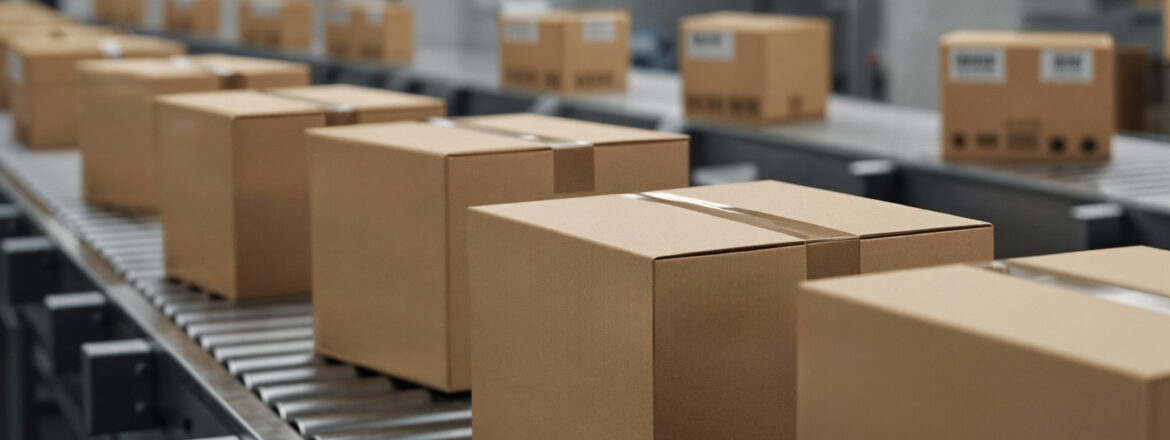
When most people think about packaging, the first thing that comes to mind is how a product looks on the shelf. But in logistics and supply chain management, packaging is more than just design; it’s a key driver of efficiency and cost savings. Companies across the UAE, especially in hubs like Dubai and Abu Dhabi, are increasingly adopting customized packaging solutions not just for branding, but also to cut down expenses in storage, shipping, and handling.
Think of packaging like a travel suitcase: the right size, structure, and durability can make your trip smooth, while the wrong choice can cause unnecessary headaches and costs. The same logic applies to logistics—smart packaging reduces wasted space, prevents damage, and ultimately saves businesses a significant amount of money.
In this blog, we’ll explore how customized packaging solutions help reduce logistics costs, with practical examples from the UAE supply chain landscape.
1. The hidden costs of standard packaging
Using generic, one-size-fits-all packaging might seem convenient at first, but it often leads to inefficiencies that aren’t obvious until you look at the logistics bill. Standard boxes or cartons are rarely optimized for the specific shape or weight of a product, which creates multiple issues:
- Wasted space in transportation – Empty air in oversized boxes means fewer items per shipment, driving up fuel and freight costs.
- Higher storage costs – Warehouses charge based on space used. Inefficient packaging eats up more cubic meters than necessary.
- Risk of damage – Loose products in poorly fitted boxes are more likely to break or get scratched, increasing returns and replacements.
- Increased material usage – Extra bubble wrap, fillers, or padding are often added to compensate for poor packaging fit, raising material expenses.
For example, a company in Abu Dhabi shipping electronics in oversized cartons found that they were only using about 70% of available pallet space. After switching to custom-fit packaging, they reduced shipments by nearly 20%, cutting freight costs significantly.
This shows that the “hidden” costs of standard packaging aren’t always obvious—but they add up quickly in logistics.
2. How customized packaging optimizes space
One of the most direct ways custom packaging saves money is by making better use of space.
a) Maximizing transport efficiency
When packaging is tailored to the exact size and shape of the product, trucks, containers, and pallets can be loaded more efficiently. This means:
- More units per shipment.
- Fewer trips needed for the same volume of goods.
- Lower fuel and transportation costs.
For example, a food distributor in Dubai switched from generic cartons to stackable, custom-sized boxes. They were able to increase pallet utilization from 60% to 90%. That change alone reduced their shipping frequency and gave them a competitive edge in pricing.
b) Reducing warehouse costs
In the UAE, where warehousing costs can be high due to demand and limited storage availability, space optimization is crucial. Customized packaging reduces the volume per item, allowing businesses to store more products in the same space without increasing overhead.
Imagine a logistics company in Sharjah storing thousands of small consumer goods. By redesigning packaging to eliminate unused space, they freed up 25% of their warehouse capacity without expanding their facility.
c) Easier handling and automation
Customized packaging is often designed to be stackable, lightweight, and compatible with automation systems like conveyors and robotic arms. This not only saves time during handling but also reduces labor costs.
3. Preventing product damage and returns
Returns are one of the most expensive problems in logistics, and poor packaging is often the root cause. Damaged products lead to:
- Replacement costs.
- Reverse logistics expenses.
- Customer dissatisfaction, which can harm brand reputation.
Customized packaging addresses this by:
- Providing a snug fit that reduces product movement inside the box.
- Using materials tailored to the product’s fragility (e.g., corrugated boards for heavy goods, cushioned inserts for glassware).
- Designing protective features like corner reinforcements or shock-absorbing layers.
For example, an e-commerce retailer in Abu Dhabi dealing with fragile home décor items saw a 40% reduction in breakages after switching to tailor-made packaging with foam inserts. Not only did this save replacement costs, but it also improved customer satisfaction and reduced negative reviews.
In other words, customized packaging doesn’t just cut logistics costs—it also adds value by improving the customer experience.
4. Cost savings in material usage
At first glance, you might think customized packaging would cost more because it requires special design and production. But when you look at the bigger picture, it actually reduces costs:
- Less filler material – No need for excess bubble wrap or paper stuffing when packaging fits perfectly.
- Thinner yet stronger materials – Custom engineering can reduce material weight while maintaining durability.
- Eco-friendly options – Recyclable and lightweight materials reduce disposal costs and appeal to environmentally conscious customers.
In the UAE, where sustainability is becoming an important business focus, many companies are adopting eco-friendly custom packaging. For instance, a cosmetics brand in Dubai replaced bulky plastic packaging with slim, recyclable cardboard boxes tailored to each product. This reduced material costs by 15% and made shipments lighter, lowering transport costs as well.
So while there’s an initial investment in designing custom packaging, the savings in material usage and logistics expenses make it a cost-effective solution long-term.
5. Enhancing brand value while saving on logistics
One overlooked advantage of custom packaging is that it combines cost savings with branding opportunities. Businesses don’t have to choose between being practical and looking professional—they can achieve both.
- Better unboxing experience – Thoughtful packaging design impresses customers, especially in e-commerce.
- Brand visibility – Customized designs make packages stand out without adding extra marketing spend.
- Customer trust – Well-protected and neatly delivered products build confidence in the brand.
For example, an online fashion retailer in Dubai designed slim, branded poly mailers that were not only cheaper to ship but also created a strong first impression with customers. The company saved on shipping while enhancing its brand image two wins with one solution.
In short, custom packaging is not just about saving money it’s also about making money through improved customer loyalty and retention.
6. Streamlining supply chain operations in the UAE
In fast-growing logistics hubs like Dubai and Abu Dhabi, supply chains are complex and highly competitive. Every delay or inefficiency can eat into margins. Customized packaging plays a surprisingly big role in streamlining these operations.
a) Faster order fulfillment
When packaging is designed with efficiency in mind, products are easier to pack, stack, and ship. This reduces manual handling time and helps businesses fulfill orders faster critical for e-commerce and same-day delivery services in the UAE.
b) Simplified inventory management
Uniform, custom-sized packaging makes it easier to organize warehouses. Products are easier to count, store, and retrieve, leading to fewer mistakes and quicker processing.
For example, a retail distributor in Dubai upgraded to uniform, barcode-ready packaging for all its products. This allowed automated scanners to quickly identify stock levels, reducing manual errors and improving supply chain visibility.
c) Collaboration with logistics partners
When businesses in Abu Dhabi or Sharjah share optimized packaging specifications with freight forwarders and logistics partners, it allows for better load planning. This collaboration helps reduce unnecessary freight costs while ensuring smooth transportation.
7. Cost-effective packaging in Abu Dhabi: A real-world example
Let’s take a closer look at how custom packaging has made a real difference in Abu Dhabi’s logistics scene.
A local manufacturer of electronic accessories faced high logistics expenses due to oversized cartons. Each box had unused space, which required additional fillers and resulted in higher freight charges. After consulting with a custom packaging solutions provider in the UAE, they redesigned their cartons to fit products more snugly.
Results achieved:
- Reduced shipping costs by nearly 25% because more units fit per pallet.
- Cut down on filler material usage by 40%.
- Lowered return rates thanks to reduced product damage during transport.
This case shows that cost-effective packaging in Abu Dhabi isn’t just theory—it’s happening right now for businesses that are willing to adapt.
8. Sustainable packaging: Cutting costs while supporting green goals
Sustainability is no longer a buzzword—it’s a business necessity. In the UAE, where government initiatives strongly encourage greener practices, companies are increasingly adopting eco-friendly packaging solutions. Surprisingly, these not only help the planet but also reduce logistics costs.
a) Lightweight materials = lower shipping costs
Switching from heavy plastic to lightweight corrugated cardboard or biodegradable mailers cuts down overall shipment weight, which directly lowers freight costs.
b) Reusable and returnable packaging
Some logistics providers in Dubai now use returnable packaging systems for B2B deliveries. For example, durable plastic crates or reusable pallets reduce the need for constant new packaging purchases, creating long-term savings.
c) Brand reputation and customer trust
Consumers are becoming more environmentally conscious. A brand that uses sustainable packaging in the UAE not only saves costs but also gains goodwill, which can translate to stronger customer loyalty and higher sales.
For example, a food delivery startup in Sharjah switched to biodegradable custom containers. The packaging was cheaper in bulk and reduced waste disposal costs, while also winning praise from eco-conscious customers.
9. Technology’s role in customized packaging
Technology is reshaping packaging in ways that directly impact logistics costs. Businesses in the UAE are leveraging digital tools to create smarter, more efficient packaging solutions.
a) 3D packaging design
Before mass production, companies can simulate packaging designs using 3D software to ensure optimal fit and durability. This avoids costly trial-and-error mistakes.
b) Smart labels and barcodes
Customized packaging can include scannable labels or QR codes that make tracking and inventory management faster. In a busy warehouse in Dubai, this means fewer errors and more efficient order processing.
c) Automated packaging machines
Companies investing in packaging automation benefit from consistency and speed. Machines can create tailor-made boxes on demand, reducing the need to keep multiple box sizes in stock.
A logistics firm in Abu Dhabi recently integrated on-demand box-making technology, which reduced excess packaging inventory and lowered storage costs.
10. The long-term ROI of customized packaging
It’s true—custom packaging often requires an upfront investment in design, materials, or machinery. But when you zoom out and look at the long-term benefits, the return on investment is undeniable.
Savings breakdown:
- Lower transport costs – More items shipped per load.
- Reduced storage fees – Efficient use of warehouse space.
- Less product damage – Fewer returns and replacements.
- Material efficiency – Less waste and lower costs on fillers.
- Brand advantage – Stronger customer trust and loyalty.
Businesses in the UAE that have adopted customized packaging often find that the savings in logistics quickly offset the initial costs. Over time, it’s not just a cost-saving measure—it becomes a strategic advantage.
11. Comparing customized vs. standard packaging
| Aspect | Standard Packaging | Customized Packaging |
| Space Efficiency | Often leaves unused space; increases shipping volume | Optimized to product size; reduces empty space |
| Material Usage | Requires more fillers like bubble wrap and foam | Uses minimal materials with better protection |
| Product Protection | Higher risk of damage due to loose fit | Designed for product safety; reduces returns |
| Logistics Costs | Higher due to wasted space and weight | Lower from optimized transport and storage |
| Sustainability | Often non-recyclable and wasteful | Can be designed eco-friendly and reusable |
| Brand Image | Generic look; low customer impact | Enhances branding and unboxing experience |
| Overall ROI | Short-term savings only | Long-term cost savings and customer loyalty |
To really see the benefits of customized packaging, it helps to compare it directly with traditional, one-size-fits-all solutions.From this comparison, it’s clear that while standard packaging might seem cheaper upfront, customized packaging consistently delivers better results in logistics efficiency and brand perception.
12. Industry applications of customized packaging in the UAE
Customized packaging isn’t limited to one sector—it’s transforming logistics across industries in the UAE.
a) E-commerce and retail
With the rapid rise of online shopping in Dubai and Abu Dhabi, e-commerce brands rely heavily on packaging. Custom solutions help them reduce shipping costs and improve the unboxing experience, which is critical for customer loyalty.
b) Food and beverage
From restaurants to food delivery apps, customized packaging ensures freshness, prevents spillage, and reduces waste. In a competitive market like Dubai, packaging can make or break customer satisfaction.
c) Electronics and tech
Fragile electronics require secure packaging. Custom-fit boxes and protective inserts help reduce damage during shipping, saving costs on returns and repairs.
d) Pharmaceuticals
For healthcare logistics, packaging isn’t just about cost—it’s about compliance and safety. Custom packaging ensures medicines and medical equipment are stored and transported in optimal conditions.
e) Industrial goods
Heavy machinery parts and tools require strong, durable packaging. Custom crates or reinforced cartons prevent damage and reduce handling costs.
By adapting packaging solutions to industry needs, UAE businesses are finding smarter ways to cut logistics expenses while maintaining high standards.
13. Challenges businesses face when switching to custom packaging
While the benefits are clear, transitioning to customized packaging can come with challenges that businesses should be prepared for.
- Initial Investment – Custom packaging requires design and production costs, which might feel expensive upfront.
- Supplier Dependence – Businesses may rely on specialized suppliers in the UAE for custom packaging, which means building reliable partnerships.
- Lead Times – Custom production can sometimes take longer than ordering generic boxes off the shelf.
- Balancing Branding and Cost – Some companies may focus too heavily on aesthetics, driving up costs unnecessarily.
The good news is that these challenges can be managed with proper planning, vendor selection, and a clear focus on long-term ROI rather than short-term savings.
14. How to get started with customized packaging in the UAE
If your business is considering making the switch, here’s a simple roadmap:
- Audit Your Current Packaging
- Identify inefficiencies such as wasted space, high damage rates, or excessive material use.
- Identify inefficiencies such as wasted space, high damage rates, or excessive material use.
- Consult Packaging Experts
- Work with a UAE-based logistics packaging solutions provider who understands local market needs.
- Work with a UAE-based logistics packaging solutions provider who understands local market needs.
- Run a Pilot Program
- Test custom packaging on a small product line before scaling.
- Test custom packaging on a small product line before scaling.
- Measure Savings and Performance
- Track improvements in shipping costs, warehouse efficiency, and product protection.
- Track improvements in shipping costs, warehouse efficiency, and product protection.
- Scale Across the Supply Chain
- Once proven effective, roll out customized packaging solutions across your operations.
- Once proven effective, roll out customized packaging solutions across your operations.
This step-by-step approach ensures a smooth transition without disrupting your supply chain.
15. The future of logistics packaging in the UAE
As technology advances and sustainability becomes more important, the future of packaging in the UAE is set to evolve even further. We can expect:
- More automation in packaging production – reducing labor costs.
- AI-driven packaging design – using data to create even more efficient solutions.
- Greater focus on sustainability – aligning with UAE’s green initiatives.
- Smart packaging – including sensors and tracking features for supply chain visibility.
For businesses in Abu Dhabi, Dubai, and across the UAE, adopting customized packaging is no longer just an option—it’s becoming a necessity to stay competitive in a cost-sensitive logistics market.
Conclusion
Customized packaging is more than just a box it’s a powerful tool for cutting logistics costs, improving supply chain efficiency, and enhancing customer satisfaction. By optimizing space, reducing damage, lowering material use, and aligning with sustainability goals, businesses in the UAE are finding real financial benefits.
Whether you’re in e-commerce, food, retail, or manufacturing, investing in custom packaging solutions can turn logistics from a cost burden into a competitive advantage.
FAQs
1. Is customized packaging more expensive than standard packaging?
Initially, yes. But in the long run, the savings in shipping, storage, and reduced returns usually outweigh the higher upfront costs.
2. How does custom packaging help reduce shipping costs?
By eliminating wasted space and reducing overall shipment weight, businesses can fit more products per load, leading to fewer shipments and lower transport expenses.
3. What industries in the UAE benefit most from custom packaging?
E-commerce, food and beverage, electronics, pharmaceuticals, and industrial goods all see significant cost savings from optimized packaging.
4. Can custom packaging be eco-friendly?
Absolutely. Many UAE businesses are adopting recyclable, biodegradable, or reusable packaging solutions that reduce costs and align with sustainability goals.
5. How do I start implementing custom packaging in my business?
Begin by auditing your current packaging, consulting with a local packaging expert, running a small pilot test, and then scaling once you see measurable results.