

Why Industrial Packaging Is Essential for Safe Cargo Transport in Abu Dhabi
Abu Dhabi has become one of the most important logistics and export hubs in the Middle East. Every day, heavy machinery, oil and gas equipment, construction tools, and delicate industrial components are shipped from the UAE to destinations across the world. While global trade continues to expand, one challenge remains constant for manufacturers and exporters: protecting cargo during transport.
Shipping routes are long, handling conditions are unpredictable, and environmental exposure can easily damage valuable equipment. This is where industrial packaging in Abu Dhabi plays a critical role. Proper packaging is not simply about wrapping goods—it is a specialized process designed to protect cargo from physical damage, corrosion, vibration, and environmental factors during international shipping.
Businesses that underestimate the importance of professional packaging often face costly consequences. Damaged cargo can lead to delays, financial losses, and damaged relationships with international clients. Understanding the value of industrial packaging UAE services helps companies protect their investments and ensure their shipments reach their destination safely.
The Risks Cargo Faces During International Transport
Transporting industrial equipment is far more complicated than shipping small consumer products. Heavy machinery and sensitive components face several risks from the moment they leave a warehouse until they arrive at their destination.
During sea freight, cargo may travel for several weeks across different climates. Saltwater exposure, humidity, and temperature fluctuations can cause corrosion or structural damage. Even well-built machines can suffer if they are not properly protected.
Handling is another major concern. Cargo is frequently loaded and unloaded multiple times using cranes, forklifts, and port equipment. Improper handling or sudden movement can result in scratches, dents, or even severe structural damage. Fragile components such as sensors, control panels, and electronic systems are especially vulnerable.
Transportation vibration is another factor that many businesses overlook. Long-distance shipping involves constant movement—whether by truck, ship, or rail. Without proper cushioning and support, internal parts may loosen or break over time.
Professional industrial packaging Abu Dhabi services are designed specifically to mitigate these risks. Instead of relying on basic packaging materials, experts analyze the cargo type, weight, and shipping route before designing a customized protection strategy.
How Industrial Packaging Protects Heavy Machinery
Heavy machinery and industrial equipment require packaging solutions that go far beyond standard boxes or pallets. Industrial packaging focuses on creating strong structural support while protecting sensitive components from environmental damage.
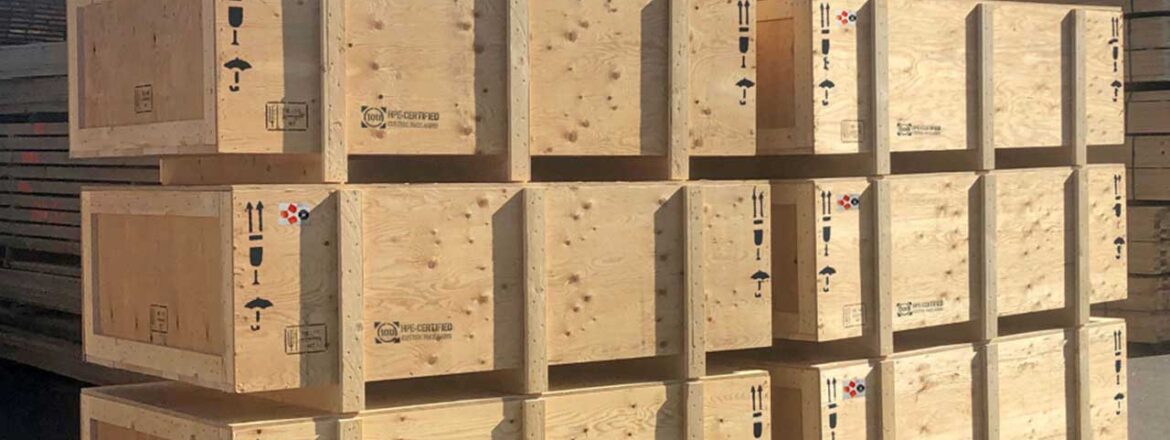
One of the most common solutions used in industrial packaging UAE is custom wooden crating. These crates are built according to the exact size and weight of the machinery being shipped. They provide a rigid outer structure that prevents impact damage and keeps the cargo stable during transit.
Another widely used method is vacuum packing. In this process, equipment is sealed inside specialized barrier films after removing air from the packaging. This technique prevents moisture, oxygen, and contaminants from reaching the equipment. It is particularly useful for shipping precision machinery or metal components that are prone to corrosion.
Shrink wrapping is also commonly used for large equipment. Industrial shrink films tightly seal machinery, protecting it from dust, water exposure, and minor physical damage. This method is especially helpful when equipment is transported on open containers or flat racks.
In many cases, packaging experts combine several methods together. A machine might be vacuum-sealed for moisture protection, cushioned internally to prevent movement, and then placed inside a custom crate for structural security.
Meeting Export Safety Requirements in the UAE
Export regulations add another layer of complexity to cargo transportation. Many countries have strict requirements regarding packaging materials and safety standards. Failing to comply with these rules can lead to customs delays or shipment rejection.
For example, wooden packaging used for international shipping must comply with ISPM-15 standards, which regulate the treatment of wood materials to prevent the spread of pests. Certified industrial packaging Abu Dhabi providers ensure that wooden crates and pallets are properly treated and stamped according to international guidelines.
Proper labeling is also essential. Export shipments must include clear markings related to weight distribution, handling instructions, and lifting points. These markings help logistics teams handle cargo correctly and reduce the risk of accidents.
In addition, certain types of equipment—especially those used in oil and gas industries—may require specialized corrosion protection and moisture control. Industrial packaging professionals understand these requirements and ensure that shipments meet both local and international standards.
The Cost of Poor Packaging
Some companies attempt to reduce shipping costs by using basic or improvised packaging solutions. While this may appear economical at first, it often leads to far greater expenses later.
Cargo damage is the most obvious consequence. Repairing or replacing damaged machinery can cost thousands of dollars, not including the financial impact of project delays. In industries such as construction or energy, delays can disrupt entire operations.
Insurance claims can also become complicated when packaging does not meet professional standards. Many shipping insurers require proof that proper packaging methods were used before approving compensation for damaged goods.
Beyond the financial impact, damaged shipments can harm a company’s reputation. International clients expect their equipment to arrive in perfect condition. Repeated issues with packaging may lead customers to seek alternative suppliers.
Investing in industrial packaging UAE solutions helps businesses avoid these risks and maintain a reliable supply chain.
Why Businesses in Abu Dhabi Rely on Professional Packaging Services
Abu Dhabi’s economy relies heavily on industries such as oil and gas, construction, manufacturing, and heavy engineering. These sectors regularly transport high-value equipment across international markets. Because of this, companies increasingly rely on specialized industrial packaging Abu Dhabi providers to handle complex shipping requirements.
Professional packaging companies offer several advantages:
- Custom packaging design tailored to specific cargo
- Compliance with international export standards
- Advanced protection methods such as vacuum sealing and corrosion protection
- On-site packing services for large equipment
- Expertise in handling oversized or irregularly shaped cargo
By working with experienced packaging professionals, companies ensure that their machinery and equipment are properly secured before leaving the facility.
Shipping industrial equipment across international borders is never a simple process. Long transit times, environmental exposure, and repeated handling create numerous risks for valuable cargo. Without proper protection, even the strongest machinery can suffer serious damage during transportation.
This is why industrial packaging in Abu Dhabi has become a critical part of modern logistics. By using custom crates, protective materials, and internationally compliant packing methods, businesses can safeguard their cargo throughout the entire shipping journey.
For companies involved in global trade, investing in professional industrial packaging UAE services is not just a precaution—it is a strategic decision that protects assets, reduces costs, and ensures reliable delivery to customers around the world.