

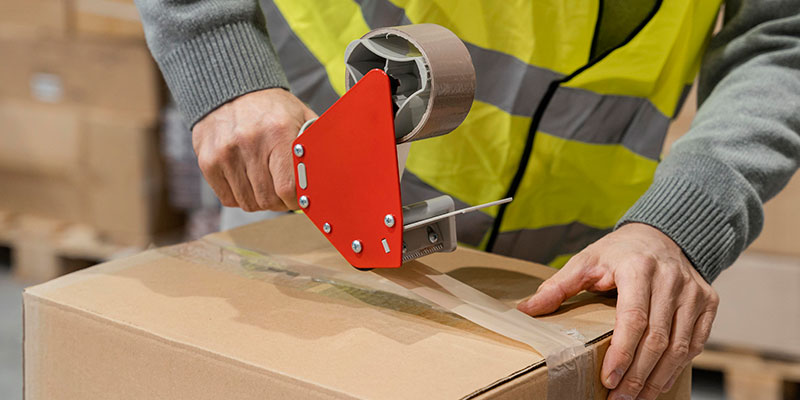
Packaging Mistakes That Can Cost You During Export – And How to Avoid Them
When it comes to exporting goods, packaging often plays a bigger role than many businesses realize. It’s not just about wrapping a product securely it’s about ensuring it arrives safely, meets international standards, and reflects your brand’s professionalism. One small packaging error can lead to damaged goods, shipment delays, or even rejected consignments. In other words, a preventable mistake can end up costing you both money and reputation.
In this article, let’s explore some of the most common export packaging mistakes businesses make — and how you can avoid them with the help of expert industrial packaging companies in the UAE.
1. Ignoring Export Packaging Standards
Every country has its own set of import and packaging regulations. Some products require specific materials, labeling, or safety certifications. For instance, wood packaging materials must be treated and marked as per ISPM-15 standards to prevent pest infestation.
The cost of this mistake: Non-compliance can lead to your shipment being held, quarantined, or even rejected at the destination port. This not only delays delivery but also adds unexpected costs in storage and re-shipment.
How to avoid it:
- Always verify packaging and labeling requirements for the destination country.
- Consult with top industrial packaging companies in the UAE that are familiar with international export standards. They can guide you on compliance and documentation requirements.
2. Using Inappropriate Packaging Materials
Not all packaging materials are suitable for export. A box that works well for domestic transport might not withstand long transit times, humidity, or temperature changes during overseas shipping.
The cost of this mistake: Weak or unsuitable packaging materials can lead to product damage, moisture exposure, or contamination. This means financial losses, insurance claims, and unhappy customers.
How to avoid it:
- Choose durable, export-grade materials such as moisture-resistant corrugated boxes, stretch films, or vacuum-sealed wraps.
- For heavy or industrial goods, opt for wooden crates, metal containers, or reinforced pallets.
- Partnering with a professional packaging provider ensures that the materials are chosen based on product type, weight, and destination conditions.
3. Overpacking or Underpacking
Both extremes can hurt your shipment. Overpacking increases weight and cost unnecessarily, while underpacking makes your goods vulnerable to damage.
The cost of this mistake: Overpacking leads to higher shipping and handling costs. Underpacking, on the other hand, increases the risk of returns or replacements due to damaged goods.
How to avoid it:
- Conduct a packaging optimization assessment to find the right balance between protection and cost efficiency.
- Use cushioning materials like foam inserts, bubble wrap, or air pillows appropriately — not excessively.
- Expert industrial packaging companies can help you design custom-fit packaging that offers maximum protection without extra weight.
4. Poor Labeling and Documentation
Incorrect or incomplete labeling can cause unnecessary delays at customs. Essential information like handling instructions, product details, or destination codes must be clear and compliant with international shipping norms.
The cost of this mistake: Mislabeling can lead to misplaced shipments, fines, or rejected consignments. In worst cases, it can even affect your brand’s credibility with logistics partners.
How to avoid it:
- Ensure all packages include clear labels for “Fragile,” “Handle with Care,” or “This Side Up” where applicable.
- Double-check documentation such as packing lists, invoices, and certificates before shipping.
- Many industrial packaging companies in the UAE offer integrated labeling and logistics support to ensure accuracy and compliance.
5. Neglecting Climate and Transit Conditions
Export goods often travel through different climates — from the heat of the UAE to the humidity of Southeast Asia or the cold of Europe. Not preparing your packaging for these conditions can have serious consequences.
The cost of this mistake: Temperature-sensitive goods may spoil, corrode, or degrade before reaching the customer. Even machinery and electronics can be damaged by moisture if not properly protected.
How to avoid it:
- Use protective barriers such as vapor corrosion inhibitors (VCI), desiccants, or thermal insulation wraps.
- For perishable goods, use temperature-controlled packaging solutions.
- Work with experienced industrial packaging experts who can recommend climate-appropriate packaging materials and methods.
6. Skipping Shock and Vibration Testing
During transit, shipments are exposed to constant vibrations, shocks, and impacts — especially during loading, unloading, and sea transport. Ignoring this factor can lead to product damage even if the packaging seems sturdy.
The cost of this mistake: Hidden internal damages that may only become evident upon delivery, leading to customer dissatisfaction and costly returns.
How to avoid it:
- Conduct vibration and drop tests to evaluate your packaging’s resilience.
- Use shock-absorbing materials and secure internal bracing for fragile or heavy equipment.
- Leading packaging companies in the UAE can perform these tests and certify your packaging for export readiness.
7. Not Partnering with the Right Packaging Experts
Many exporters try to manage packaging in-house to cut costs — but in reality, improper handling often results in greater expenses later. Professional packaging partners not only provide materials but also design solutions that are optimized for cost, compliance, and performance.
The cost of this mistake: Missed savings, avoidable damages, and lost credibility in the global market.
How to avoid it:
- Choose packaging providers with proven export experience and industry certifications.
- Ask for case studies or examples of similar shipments they’ve handled.
- The top industrial packaging companies in the UAE combine advanced technology, high-quality materials, and expert knowledge to ensure your products arrive safely and on time.
Export packaging is not just a technical task — it’s a critical business investment. Every detail, from material selection to labeling, contributes to your product’s safety and your company’s reputation.
By avoiding these common mistakes and partnering with experienced industrial packaging companies in the UAE, exporters can save money, minimize risk, and ensure smooth delivery across borders. In today’s competitive market, smart packaging isn’t just about protecting your goods — it’s about protecting your brand.